Best Organic Pesticides for Vegetable Gardens
Garden Soap Team
· 8 min read
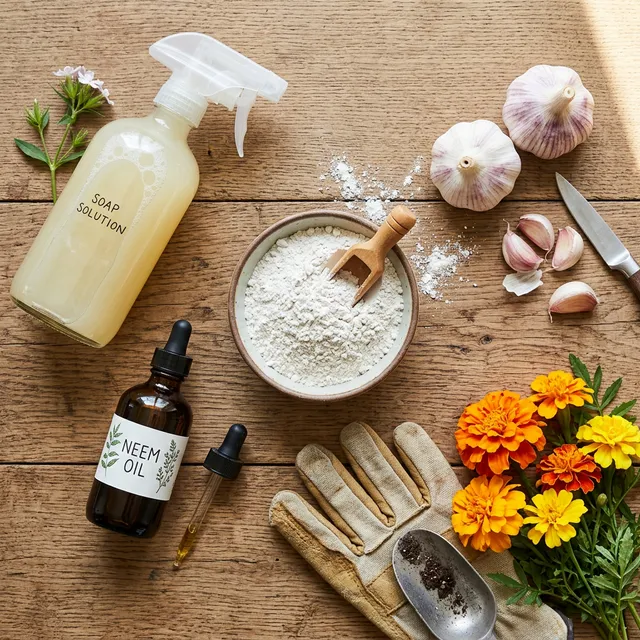
Choosing the Right Organic Pesticide for Your Vegetables
Not all organic pesticides work the same way, and choosing the wrong one wastes money while your pest problem grows. The right choice depends on three factors: what pest you’re fighting, what crops you’re growing, and how close you are to harvest.
This guide ranks the most effective organic pesticides for vegetable gardens by safety, effectiveness, and ease of use. Every product listed here is OMRI-certified for organic production and safe for edible crops when used as directed.
1. Insecticidal Soap — Best All-Around Option
Best for: Aphids, whiteflies, spider mites, mealybugs, thrips, and other soft-bodied insects
Insecticidal soap tops this list because it combines high effectiveness against the most common vegetable garden pests with the shortest possible re-entry and harvest interval. The active ingredient — potassium salts of fatty acids — dissolves insect cell membranes on contact, killing them within minutes.
Once the spray dries, it’s completely inert. No residue, no soil contamination, no risk to bees visiting your plants an hour later. You can spray tomatoes in the morning and eat them for lunch.
How to use it: Mix 1 tablespoon pure castile soap (Dr. Bronner’s Unscented) per quart of water. Spray directly onto pests, focusing on leaf undersides. Our complete guide to making insecticidal soap covers mixing, application, and common mistakes.
Limitation: Contact-only. You must hit the insect directly — soap spray has zero residual effect after drying.
2. Neem Oil — Best for Systemic Protection
Best for: Aphids, whiteflies, spider mites, caterpillars, fungal diseases
Cold-pressed neem oil contains azadirachtin, a compound that disrupts insect feeding, growth, and reproduction. Unlike soap, neem is absorbed into plant tissue, providing 3-7 days of systemic protection. Insects that feed on treated leaves stop eating, fail to molt, and produce fewer viable offspring.
Neem also has antifungal properties, making it the only organic pesticide on this list that fights both insects and fungal diseases like powdery mildew and black spot.
How to use it: Mix 2 teaspoons cold-pressed neem oil with 1 tablespoon castile soap (as emulsifier) and 1 quart warm water. Apply every 7-10 days. See our neem oil spray recipe for detailed instructions.
Limitation: Slow-acting. Don’t expect overnight results — neem takes 3-7 days to show full effect. Pair it with soap spray for immediate knockdown of active infestations.
3. Bacillus thuringiensis (Bt) — Best for Caterpillars
Best for: Cabbage worms, tomato hornworms, cabbage loopers, corn earworms
Bt is a naturally occurring soil bacterium that produces proteins toxic exclusively to caterpillar species (Lepidoptera). When a caterpillar ingests Bt-treated leaf tissue, the protein crystals paralyze its gut within hours, and the caterpillar stops feeding and dies within 1-3 days.
The precision of Bt is its greatest strength. It has absolutely zero toxicity to bees, ladybugs, lacewings, earthworms, birds, pets, or humans. It’s the surgical strike of the organic pesticide world.
How to use it: Buy a commercial Bt product like Monterey Bt and mix according to label directions. Spray directly on leaves where caterpillars are feeding. Reapply every 5-7 days and after rain, as UV light degrades the bacteria.
Limitation: Only works on caterpillars. Bt won’t touch aphids, beetles, mites, or any other pest group.
4. Spinosad — Best for Tough Insect Problems
Best for: Thrips, caterpillars, leafminers, Colorado potato beetles, spider mites
Spinosad is derived from the soil bacterium Saccharopolyspora spinosa. It works through both ingestion and contact, attacking the nervous system of target insects. Spinosad is effective against a broader range of pests than Bt, including several that resist other organic treatments.
How to use it: Available as Captain Jack’s Dead Bug Brew or other branded concentrates. Apply according to label directions.
Limitation: Spinosad is toxic to bees while wet. Apply only in late evening after bees have returned to the hive. Once dry (usually within 3 hours), it poses minimal risk to pollinators. Never spray spinosad on open flowers.
5. Diatomaceous Earth (DE) — Best for Ground-Level Pests
Best for: Slugs, snails, earwigs, ants, crawling beetles
Food-grade diatomaceous earth is a powder made from fossilized diatoms. The microscopic sharp edges scratch through insect exoskeletons, causing dehydration. DE works purely through physical action, so pests cannot develop resistance to it.
How to use it: Dust DE around the base of plants, along garden bed edges, and on lower stems. Create a continuous barrier that crawling pests must cross to reach your vegetables. Reapply after rain — DE stops working when wet.
Limitation: Non-selective ground treatment. DE will harm any crawling insect that crosses it, including ground beetles and other beneficial predators. Use it strategically around specific plants rather than broadcasting across the whole garden. Read our diatomaceous earth garden guide for smart application methods.
6. Pyrethrin — Best for Quick Knockdown
Best for: Flea beetles, cucumber beetles, Japanese beetles, flying insects
Pyrethrin is extracted from chrysanthemum flowers and works as a contact neurotoxin. It provides the fastest knockdown of any organic pesticide — insects are paralyzed within minutes of contact. Pyrethrin breaks down rapidly in sunlight, usually within 24 hours.
How to use it: Use commercial pyrethrin sprays according to label directions. Spray directly on pests during early morning or evening when target insects are active and bees are not.
Limitation: Pyrethrin is toxic to bees, fish, and aquatic invertebrates. It’s also non-selective — it kills beneficial insects alongside pests. Use pyrethrin as a last resort when other methods have failed, and never spray near water features or flowering plants during pollinator hours.
Comparison Table
| Pesticide | Pests Targeted | Bee Safety | Harvest Wait | Residual Effect | Cost |
|---|---|---|---|---|---|
| Insecticidal soap | Soft-bodied insects | Safe (after drying) | Same day | None | Very low |
| Neem oil | Broad spectrum + fungal | Safe (after drying) | 0 days | 3-7 days | Low |
| Bt | Caterpillars only | Completely safe | 0-1 days | 5-7 days | Medium |
| Spinosad | Broad spectrum | Toxic while wet | 1-3 days | 7-10 days | Medium |
| DE | Crawling insects | Safe | Same day | Until wet | Very low |
| Pyrethrin | Broad spectrum | Toxic while wet | 1 day | 12-24 hours | Medium |
Building a Spray Schedule for Your Vegetable Garden
Rather than reaching for one product for every problem, use this decision framework:
For aphids, whiteflies, and mites: Start with insecticidal soap for immediate contact kill. Follow up with neem oil every 7-10 days for systemic protection. This combination handles 80% of common vegetable garden pest problems.
For caterpillars: Skip the soap and go straight to Bt. It’s more effective than soap against caterpillars and harmless to everything else in your garden.
For beetles and hard-bodied pests: Soap and neem have limited effectiveness on hard-shelled insects. Try garlic-pepper spray as a deterrent first. Escalate to spinosad or pyrethrin only if deterrence fails.
For slugs and ground pests: DE barriers around plant bases, combined with evening hand-picking, handle most slug and snail problems without spraying anything.
What to Avoid in a Vegetable Garden
Dish soap. Regular dish detergent (Dawn, Palmolive) is not insecticidal soap. It contains degreasers, fragrances, and synthetic surfactants that strip protective wax from plant leaves, causing phytotoxicity. Use only pure castile soap or commercial insecticidal soap on edible crops. Our guide to the best soap for insecticidal spray explains the difference.
Copper fungicides near edible roots. Copper accumulates in soil and can reach toxic levels with repeated use. Limit copper-based treatments to above-ground applications on fruiting crops, and avoid using them on root vegetables.
Broad-spectrum spraying. Even with organic products, spraying your entire garden kills beneficial insects alongside pests. Treat only the infested plants. Keep your spray targeted and your beneficial predator population intact.
The best organic vegetable garden has fewer pest problems because it supports the predators — ladybugs, lacewings, parasitic wasps — that provide free, round-the-clock pest control. Every broad-spectrum spray setback makes you more dependent on the next one. Spray smart, spray targeted, and let the ecosystem do as much work as possible.
Frequently Asked Questions
What is the safest organic pesticide for vegetable gardens? ▼
Insecticidal soap is the safest option for edible gardens. It breaks down within hours of application, leaves no toxic residue on produce, and only kills soft-bodied insects on direct contact. You can harvest treated vegetables the same day after a simple water rinse.
Can you eat vegetables after spraying organic pesticide? ▼
Most organic pesticides have short pre-harvest intervals. Insecticidal soap and water-based sprays require only a water rinse. Neem oil has a 0-day pre-harvest interval for most crops. Spinosad and Bt need 1-3 days. Always check the specific product label for exact harvest timing.
Is neem oil safe for all vegetables? ▼
Neem oil is safe for most vegetables when properly diluted. Avoid spraying it on herbs with delicate leaves (cilantro, dill) in hot weather, as the oil can cause leaf burn above 90 degrees Fahrenheit. Always apply in early morning or evening and test one leaf first.
What organic pesticide kills caterpillars without harming bees? ▼
Bacillus thuringiensis (Bt) is the best choice. It only affects caterpillars and moth larvae that ingest treated leaves. Bt has zero toxicity to bees, ladybugs, earthworms, and other beneficial organisms. Apply it directly to leaves where caterpillars are feeding.
 ✓
✓ The Garden Soap Team writes every recipe and guide on this site. Formulas follow published horticultural guidance — university extension resources, the UC IPM program, and OMRI standards — and we cross-check concentrations and plant-safety warnings against documented gardener experience before publishing. No harsh chemicals, no guesswork passed off as expertise.
📚 Related Articles
 guides
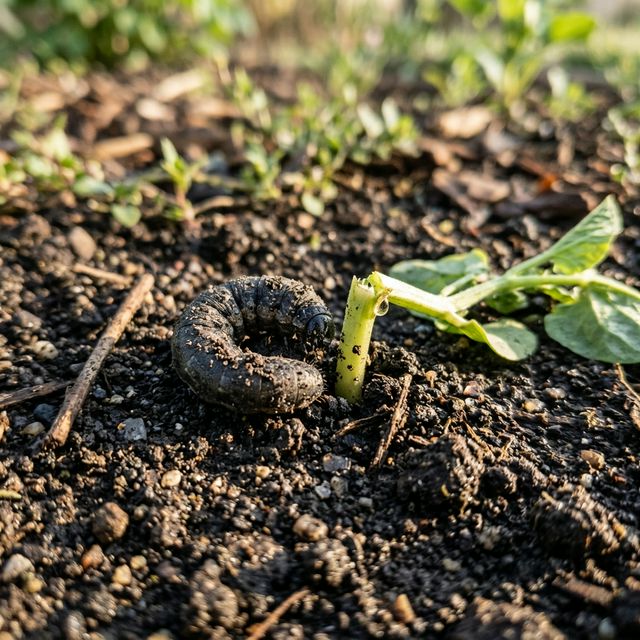
Natural Pesticides for Vegetable Gardens
Cornell research shows insecticidal soap kills up to 90% of aphids on contact. These 6 natural pesticides protect your vegetables without synthetic chemicals.
 guides
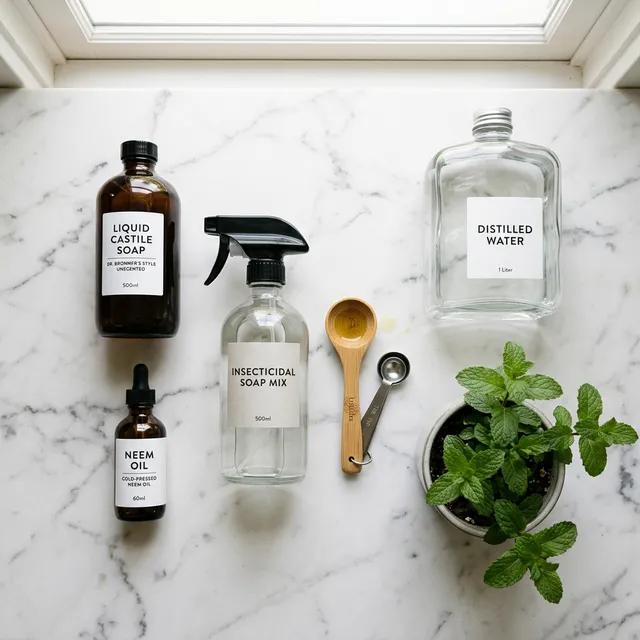
How to Make Insecticidal Soap at Home
Learn how to make effective insecticidal soap at home with just 3 ingredients. Safe for your garden, deadly for aphids, whiteflies, and spider mites.
 guides
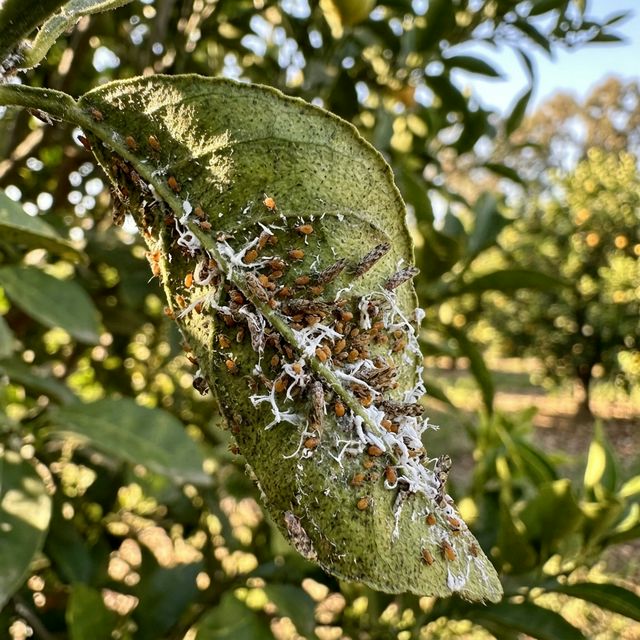
Insecticidal Soap for Tomatoes
Tomatoes attract aphids, whiteflies, and hornworms. Insecticidal soap handles the first two safely without harming fruit. Here's the tomato-specific guide.