How to Attract Beneficial Insects to Your Garden
Garden Soap Team
· 8 min read
Why Beneficial Insects Matter More Than Any Spray
Every spray bottle in your shed — organic or not — is a reactive tool. You notice a pest problem, mix a solution, and treat it. Beneficial insects are proactive. They patrol your garden 24 hours a day, eating pest eggs before they hatch and consuming aphid colonies before you even notice them.
A garden with a healthy population of ladybugs, lacewings, parasitic wasps, and ground beetles needs dramatically fewer spray interventions. That’s not wishful thinking. Studies from the University of California IPM program found that farms supporting beneficial insect habitat used 60-80% less pesticide while maintaining equivalent or better crop yields.
The problem: most gardens accidentally kill or starve their beneficial insects through broad-spectrum spraying, monoculture planting, and excessive tidiness. Building a garden that attracts and supports beneficial predators takes intention, but the payoff is a pest control system that runs itself.
The Big Five: Beneficial Insects You Want
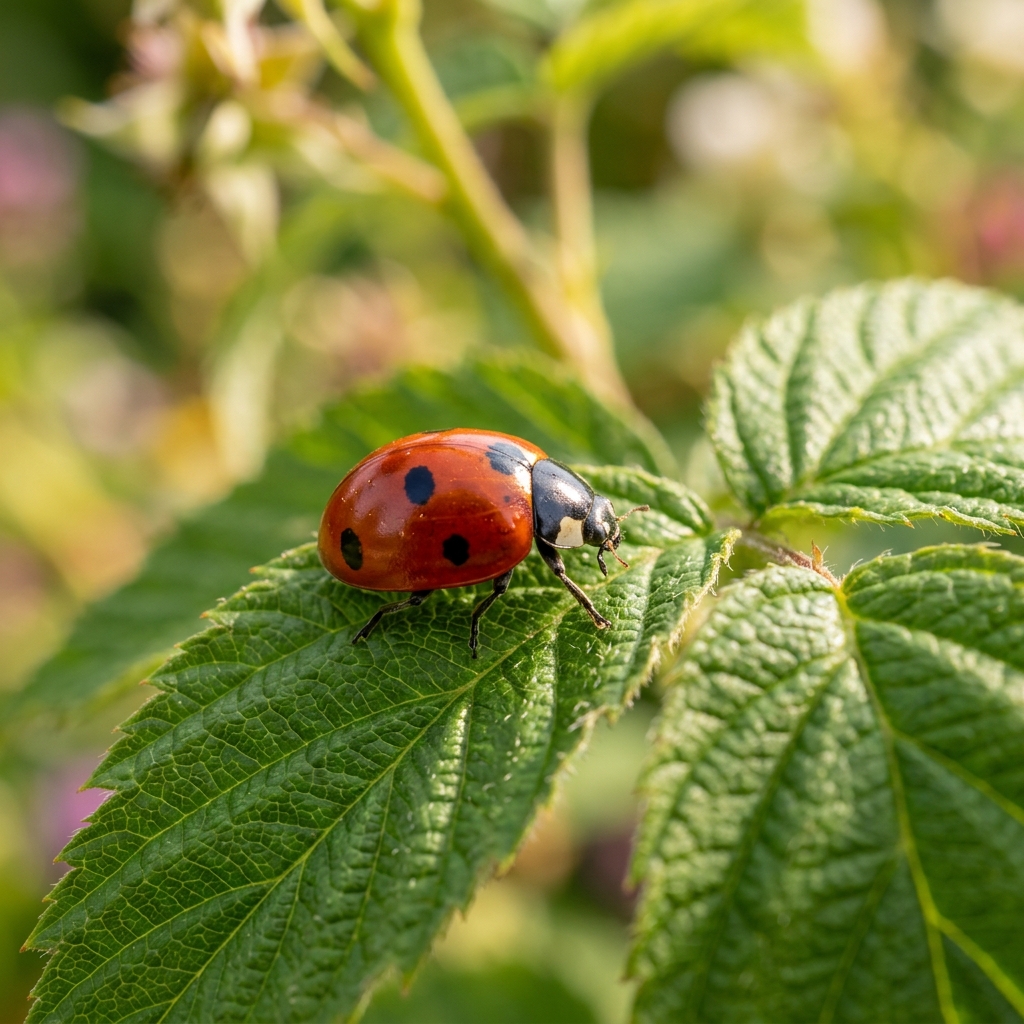
1. Ladybugs (Lady Beetles)
What they eat: Aphids (50-60 per day), mites, scale insects, small caterpillars
Ladybugs are the poster insects of biological pest control, and they earn the reputation. Both adults and larvae feed on soft-bodied pests, but the larvae are actually more voracious. A single ladybug larva — those spiny, alligator-shaped black-and-orange creatures — eats up to 400 aphids before pupating into an adult.
Plants that attract them: Dill, fennel, yarrow, dandelion, marigolds, calendula, coreopsis
Habitat needs: Ladybugs need leaf litter, mulch, or ground cover plants for overwintering. They also need a water source — a shallow dish with pebbles and water works.
2. Lacewings
What they eat: Aphids, whiteflies, mealybugs, thrips, spider mites, small caterpillars
Lacewing larvae are nicknamed “aphid lions” and it’s well earned. A single larva devours 200+ aphids during its two-week development period. Adult lacewings are less useful for pest control — most species eat only nectar, pollen, and honeydew as adults.
Plants that attract them: Cosmos, coreopsis, yarrow, sunflowers, dill, Queen Anne’s lace
Habitat needs: Lacewing adults are attracted to lights at night. Reduce outdoor lighting near the garden, or use yellow-spectrum lights that don’t attract as many insects. Lacewings lay eggs on hair-thin stalks attached to leaves — if you see these delicate structures, leave them alone.
3. Parasitic Wasps
What they eat: Aphids, caterpillars, whiteflies (varies by species)
These tiny, non-stinging wasps are some of the most effective biological control agents in existence. Different species parasitize different pests. Aphidius colemani targets aphids — the female wasp lays a single egg inside an aphid, and the developing larva consumes the aphid from within, leaving behind a swollen, bronze-colored “mummy.” Each wasp can parasitize 200-300 aphids in her lifetime.
Plants that attract them: Small-flowered plants are key — parasitic wasps have tiny mouthparts and can only feed from shallow flower structures. Sweet alyssum, dill, fennel, cilantro, caraway, and buckwheat are top choices.
Habitat needs: Avoid broad-spectrum spraying. Parasitic wasps are extremely sensitive to pesticides, including organic options like pyrethrin and spinosad. Even insecticidal soap kills them on direct contact, so spray only the infested areas and leave surrounding plants as safe zones.
4. Hoverflies (Syrphid Flies)
What they eat: Aphids (larvae only — adults eat nectar and pollen)
Hoverflies look like small bees or wasps, but they don’t sting. The adults pollinate your flowers while the larvae feast on aphid colonies. A single hoverfly larva can eat 400 aphids before pupating. They’re among the first beneficial insects active in spring, making them critical for early-season pest suppression.
Plants that attract them: Calendula, sweet alyssum, phacelia, marigolds, dill, parsley
Habitat needs: Hoverflies need continuous nectar sources from early spring through fall. Planting a succession of flowering plants ensures there’s always something blooming for the adults to feed on.
5. Ground Beetles
What they eat: Slugs, snails, cutworms, root maggots, weed seeds
Ground beetles work the night shift, hunting soil-dwelling pests after dark. A single ground beetle eats its body weight in prey daily. They’re one of the few natural predators that effectively control slugs, cutworms, and root maggots — pests that most sprays don’t reach.
Habitat: Ground beetles need hiding spots during the day. Mulch, stone paths, logs, and permanent ground-cover plantings provide shelter. Avoid tilling frequently — it destroys ground beetle habitat and kills larvae.
Five Steps to a Beneficial-Insect-Friendly Garden
Step 1: Plant an Insectary Strip
Dedicate a 2-3 foot strip along one or more sides of your vegetable garden to flowering plants that attract beneficial insects. This is your “insectary border” — a permanent habitat that supplies food, shelter, and breeding sites year-round.
Best insectary strip plants:
| Plant | What It Attracts | Bloom Season |
|---|---|---|
| Sweet alyssum | Hoverflies, parasitic wasps | Spring-fall |
| Yarrow | Ladybugs, lacewings, parasitic wasps | Summer |
| Dill (flowering) | Parasitic wasps, lacewings, ladybugs | Summer |
| Calendula | Hoverflies, ladybugs | Spring-fall |
| Cosmos | Lacewings, parasitic wasps | Summer-fall |
| Buckwheat | Parasitic wasps, hoverflies | Summer |
| Phacelia | Hoverflies, bees | Spring-summer |
Plant a mix for season-long bloom coverage. A beneficial insect seed mix gives you a curated blend of the best predator-attracting flowers in a single packet. If something is always flowering, beneficial insects always have a food source and a reason to stay.
Step 2: Stop Broad-Spectrum Spraying
This is the single most impactful change you can make. Broad-spectrum sprays — even organic ones like pyrethrin — kill beneficial insects alongside pests. Every time you nuke your whole garden, you reset the predator population to zero, while pest populations bounce back faster because pests reproduce more quickly than their predators.
When spraying is necessary, follow these rules:
- Spray only the infested plant, not the whole bed
- Use contact-only products like insecticidal soap that have zero residual toxicity
- Spray in early morning or late evening when beneficial insects are less active
- Never spray open flowers during pollinator hours (10am-4pm)
Step 3: Provide Water
Beneficial insects need water. A shallow dish filled with pebbles and water gives them a safe drinking spot without the drowning risk of open containers. Place it near your insectary border and refill it every few days.
Drip irrigation and morning watering also help — the moisture on leaf surfaces provides drinking water for tiny parasitic wasps and hoverflies.
Step 4: Leave Some Mess
Manicured gardens are hostile to beneficial insects. They need:
- Leaf litter and mulch for overwintering ladybugs and ground beetles
- Bare soil patches for ground-nesting bees and wasps
- Dead stems left standing through winter for cavity-nesting species
- A few weeds — dandelions, clover, and other “weeds” provide early-season nectar when nothing else is blooming
You don’t need a wild garden. Just resist the urge to clean up every fallen leaf and cut every spent flower stalk. Leave one corner a bit wilder than the rest.
Step 5: Accept a Baseline Pest Population
This might be the hardest mental shift: some aphids are good. If you eliminate every pest, you eliminate every reason for beneficial insects to stay. Ladybugs leave gardens without food. Parasitic wasps can’t reproduce without hosts.
A small, managed pest population is the food supply that keeps your biological control army stationed in your garden. Tolerate low-level pest presence on non-critical plants. Save intervention for when pest numbers threaten crop damage.
Buying Beneficial Insects: Does It Work?
You can purchase live ladybugs, lacewing eggs, and predatory mites from garden suppliers. The results are mixed:
Ladybug releases have a high failure rate. Purchased live ladybugs are typically wild-collected and ready to migrate. Most fly away within 48 hours of release. To improve retention: release them at dusk after watering the garden, and only release them where active pest colonies provide immediate food.
Lacewing eggs work better than ladybug releases. Green lacewing eggs hatch on your plants and the larvae immediately start hunting. They can’t fly away until they mature into adults weeks later, giving them time to establish and feed.
Predatory mites are very effective for spider mite control in greenhouses and on houseplants where escape is limited. See our spider mite guide for specific predatory mite recommendations.
The most reliable strategy is attracting wild beneficial insects by providing habitat, food, and safe growing conditions. This creates a self-sustaining population that returns each season without repeat purchases.
Companion Planting for Predator Attraction
Companion planting and beneficial insect attraction overlap heavily. Many of the best companion plants work specifically by recruiting predatory insects that eat the pests targeting your crops.
For a complete guide to companion plant pairings, see our companion planting for pest control article. The key plants — dill, yarrow, sweet alyssum, and marigolds — appear on both the companion planting and beneficial insect lists because they serve both functions: repelling pests directly and attracting the predators that eat them.
Building predator habitat isn’t a one-season project. It takes 2-3 years for a diverse beneficial insect population to fully establish. But each season, you’ll spray less. Each year, the pest-to-predator balance shifts further in your favor. By the third season, you’ll reach for the soap spray rarely — and only for specific outbreaks that your garden’s built-in defense team can’t handle alone.
Frequently Asked Questions
What is the fastest way to attract ladybugs to your garden? ▼
Plant dill, fennel, yarrow, or sweet alyssum — all provide pollen and nectar that ladybugs need. You can also buy live ladybugs, but they often fly away within 48 hours unless food (aphids) and habitat (diverse plantings with shelter) are already present.
Do beneficial insects really control pests? ▼
Yes. A single ladybug eats 50-60 aphids per day. One lacewing larva consumes over 200 aphids before pupating. Parasitic wasps can parasitize entire aphid colonies. Research shows that gardens with diverse beneficial insect populations need 60-80% fewer pesticide applications.
Will insecticidal soap kill beneficial insects? ▼
Insecticidal soap can kill beneficial insects if sprayed directly on them. However, soap has no residual toxicity — once it dries, it poses zero risk. Spray only infested areas and avoid spraying flowering plants during pollinator hours. This targeted approach protects beneficial populations.
What flowers attract the most beneficial insects? ▼
Umbel-shaped flowers are the most effective: dill, fennel, Queen Anne's lace, and yarrow attract parasitic wasps and lacewings. Sweet alyssum, calendula, and cosmos provide season-long nectar. Marigolds attract hoverflies whose larvae eat aphids.
 ✓
✓ The Garden Soap Team writes every recipe and guide on this site. Formulas follow published horticultural guidance — university extension resources, the UC IPM program, and OMRI standards — and we cross-check concentrations and plant-safety warnings against documented gardener experience before publishing. No harsh chemicals, no guesswork passed off as expertise.
📚 Related Articles
 guides
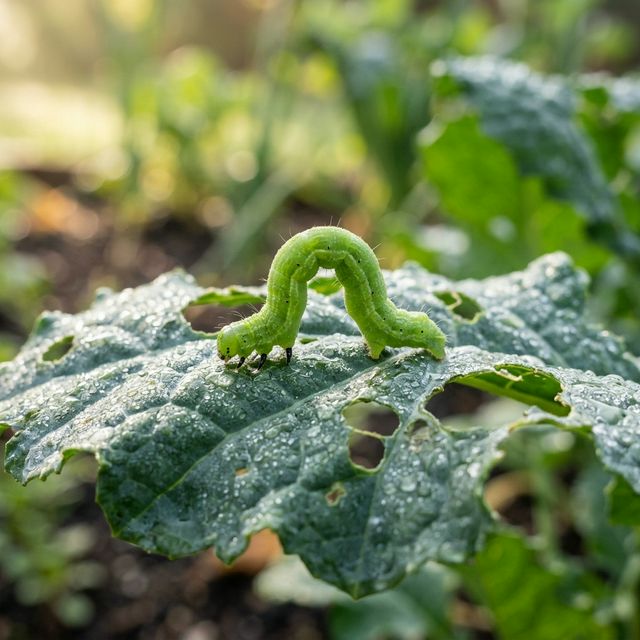
How to Get Rid of Aphids Naturally
Every proven natural method for killing and repelling aphids — from soap sprays to beneficial insects to companion planting. No chemicals needed.
 learn
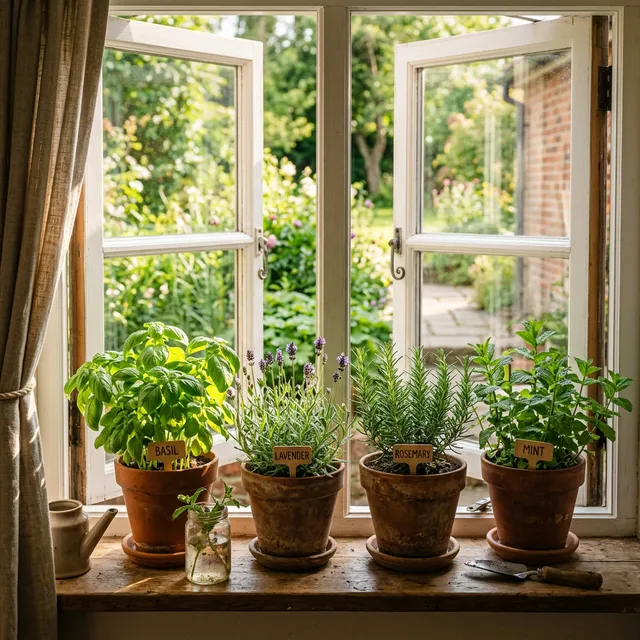
learnCompanion Planting for Pest Control
Use companion planting to reduce pest pressure without sprays. Proven plant pairings for tomatoes, squash, brassicas, and more.
 learn
learnNatural Pest Control Methods That Actually Work
Proven natural pest control methods for gardens and homes. Insecticidal soap, beneficial insects, and companion planting — no synthetic chemicals needed.